‘Don’t Wayve goodbye to drivers’ jobs’
As first ‘robotaxis’ appear on the streets, trade union sounds warning
Friday, 4th September — By Tom Foot
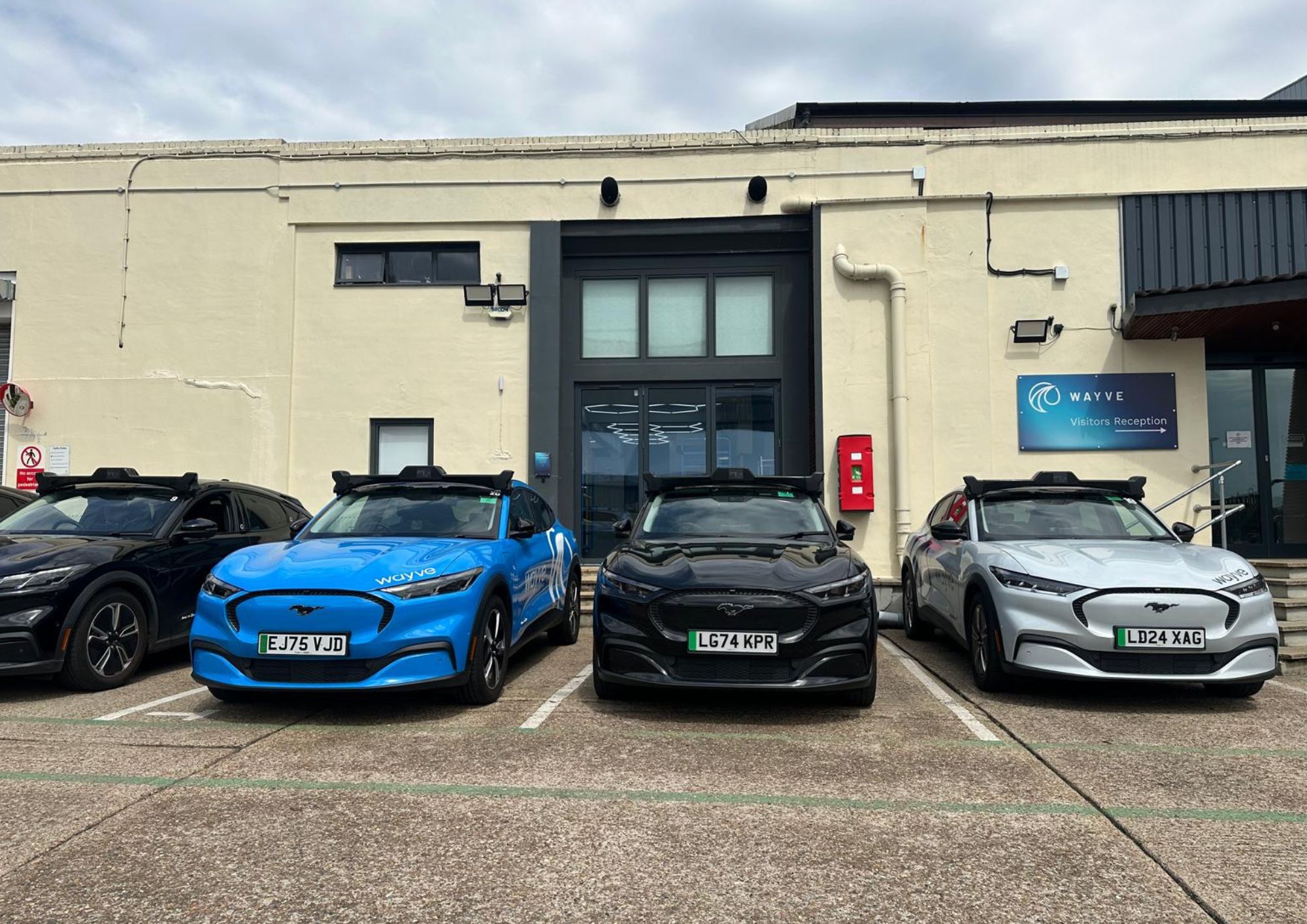
FIFTEEN “robotaxis” were launched on Westminster roads yesterday, Thursday, amid a row about safety and with an estimated hundreds of thousands of jobs at risk.
The small fleet of autonomous vehicles, built by Wayve and booked on the Uber app, have a human driver who can take charge if something goes wrong, with fully driverless cars expected to launch next year.
But hire car union chiefs are warning Transport for London it must not rush the roll-out saying that the rides, which use AI and sensors to navigate, will create “unprecedented levels of social and economic disruption”.
David McMullen, GMB union senior organiser, said: “With hundreds of thousands of people employed to drive every day, we need to be really careful with the roll-out of driverless cars unless we are prepared to see unprecedented levels of social and economic disruption.
“GMB has called on TfL and the government to urgently take responsibility for developing a plan that protects drivers and holds operators accountable for the disruption that these services will ultimately cause.
“Until a plan is put in place to manage this transition and support drivers, it is premature to move to ‘driverless’ services.
“It’s vital that we consider the implications of this before it’s too late.”
Industry analysis has suggested that roughly 1.8 million driving jobs – including HGV, heavy goods vehicle, operators, delivery drivers, and bus drivers – could eventually lose their jobs through the rise of the vehicles.
Launching the fleet, Wayve vice-president for global affairs and assurance, Sarah Gates, said: “The responsible deployment of these vehicles will bring us safer, cleaner, and quieter streets, and we’re proud to continue working alongside regulators, communities and the public as we take the next steps towards making autonomous rides a reality in the capital.”
Transport secretary Heidi Alexander said: “This is a major milestone for the future of transport in London, as British innovation brings this technology on to our roads and gives passengers more choice.”
