Fictional consideration of ‘Yellow Vest’ protests is intriguing and timely
Case 137 follows investigator who works for the Inspection Générale de la Police Nationale – the police who police the police
Thursday, 15th October — By Dan Carrier
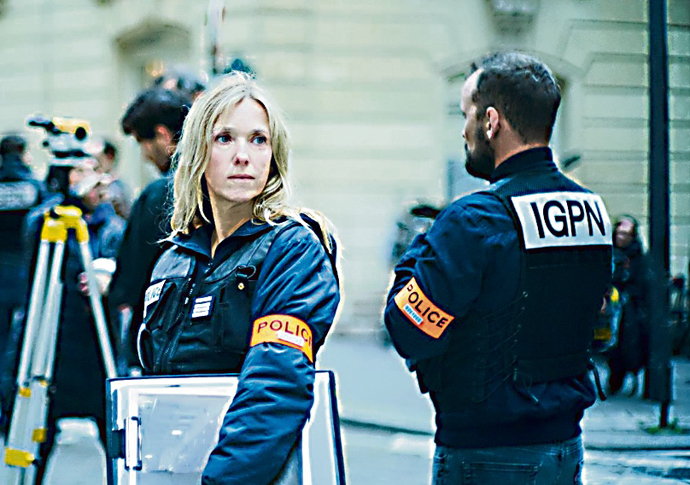
Police investigator Stephanie (Lea Drucker) in Case 137
CASE 137
Directed by Dominik Moll
Certificate: 12a
☆☆☆☆
SINCE their revolution, the French have a reputation in the UK as being very good at protesting. And it is not just digging up cobbles to lob at police or setting bins on fire. They come up with imaginative ways to let their displeasure be known. In 2023, French farmers turned every village name sign upside down as a dig at their view that the world had literally been turned upside down.
In the past fortnight, protests by young people were about the education system and one particularly tragic outcome of demonstrations make this police procedural film timely. A schoolboy has lost a hand, and how it happened has become a political football: the police say he picked up a stun grenade.
His friends, who witnessed the tragedy, say a police officer fired it at him and it exploded when it struck his hand.
It appears the events that caused this awful injury will be played out in the courts.
As French youth rise – and this feels like it fits a long narrative that starts with 1789, goes though to 1968 and continues today – Case 137’s fictional consideration of the so-called Yellow Vest protests is timely for a UK release.
We follow diligent police investigator Stephanie (Lea Drucker) who works for the Inspection Générale de la Police Nationale – the police who police the police. She is investigating injuries caused by police officers firing rubber bullets indiscriminately into crowds and causing heinous injuries. We follow her as she tries to piece together what happened to one teenager who had come to Paris with his family to join the Yellow Vest movement and was shot in the head.
It is compelling to watch. The procedure element of piecing together an evidence-based narrative from the chaos of a riot feels very real.
And then we have some back story about how hard her job is. She is divorced from a fellow officer (Stanislas Merhar), who thinks she is undermining the collegiate nature of the police and their job to keep the citizens and their Republic safe from a rabble.
Added to the drama is the fact the injured demonstrator comes from her home town in north-east France, a town that feels cut off and forgotten from Paris’s metropolitan elite. This film carries a baton of state violence, of responsibility, of closed ranks and loyalty.
Intriguing and timely.
